





RTX real-time ray tracing debut
Led the developer and analyst launch of real-time ray tracing for games. Analysts tied a 2.4% stock gain to the news, and the launch demo became the template for the following keynotes.
Watch on YouTube →20+ years in Silicon Valley across AI, cloud, identity, and fintech. Led product marketing at Google Cloud, NVIDIA, and Stripe, then built marketing orgs at venture-backed startups.
Every company has one thing it can say that no one else can. Customers help me find it, bake it into the product, and then build the marketing engine to own it.
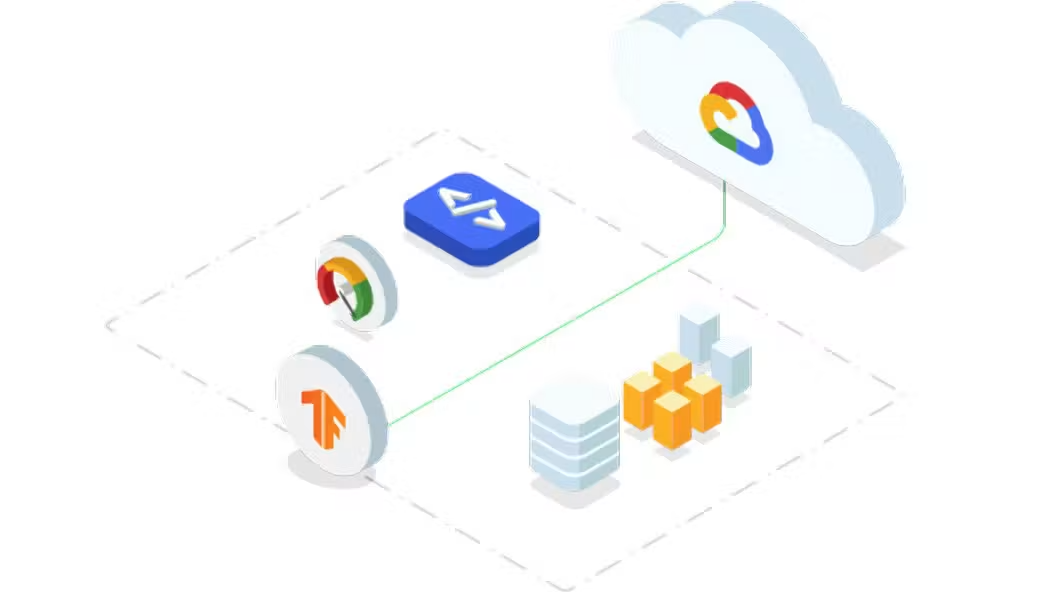
At Google Cloud, that meant reclaiming TensorFlow from AWS. At Truework, it meant pivoting to a platform story Equifax could never match.
I've learned from the best brands at global scale, and now build marketing from scratch at startups.
From keynote stages to new-market entries.
The challenge: AWS positioned itself as "the best place to run TensorFlow," despite Google having originated the framework.
The wedge: Google Cloud held two structural advantages AWS couldn't match: the TensorFlow trademark, and access to the original TensorFlow team.
What I did: I proposed and led TensorFlow Enterprise, a rare marketing-initiated product that repackaged existing capabilities — turning that structural advantage into a public claim AWS had no answer for.
TensorFlow, supported and managed on Google Cloud.
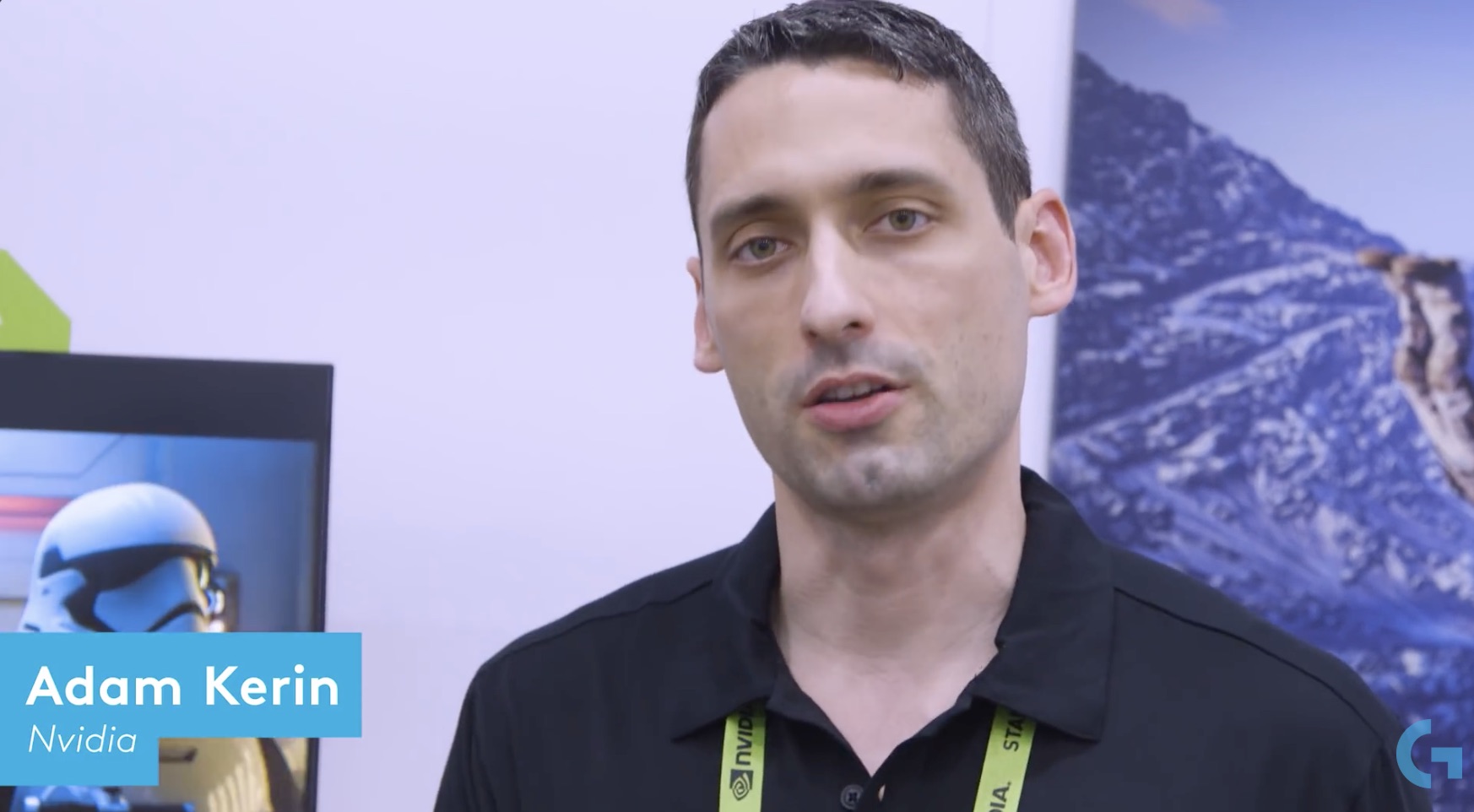
Led the developer and analyst launch of real-time ray tracing for games. Analysts tied a 2.4% stock gain to the news, and the launch demo became the template for the following keynotes.
Watch on YouTube →
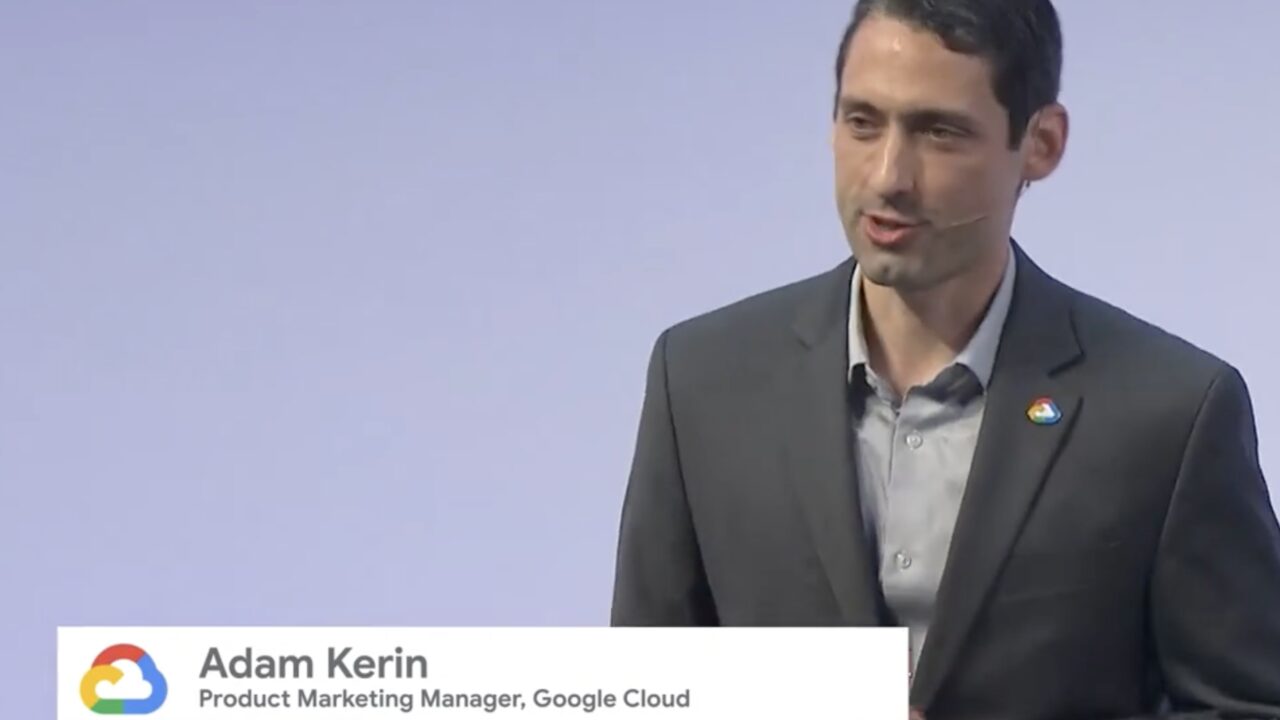
Brought Google's custom AI chip to market at scale. The launch blog became a top-50 Google Cloud post of the year within two weeks, and social ran 3x the engagement of the previous I/O launch.
TechCrunch coverage →Simplified tiers around how customers actually bought. 38 of 40 customers upsold, and Equifax later copied the pricing and messaging verbatim.
LinkedIn post →The new platform pitch won the largest lender in the US and opened a new consumer lending vertical. The launch blog post directly sourced the company's largest deal, with Credit Karma.
Money20/20 demo →
Led developer marketing across NVIDIA's AI SDKs and tools, and doubled the developer community to 1M+ users across global conferences.
NVIDIA Developer →
Global payouts had been deprioritized and reached only 32 countries. My customer research showed why it trailed competitors, and the findings reshaped the roadmap. Payouts now reach 118+ countries.
Stripe Connect for marketplaces →Player-coach building orgs from scratch at venture-backed startups — strategy, team, channels, and the pipeline engine.
| Dimension | Started | Ended |
|---|---|---|
| Revenue | $6M ARR | $18M ARR (3x) · acquired by Checkr |
| Functions | Social, PR | PMM, Demand Gen, Content, BDR |
| Channels | Cold outbound | PPC, ABM, Events |
| Pipeline efficiency | 9 SDRs for outbound | ABM: 12x more efficient spend; 2 SDRs handling more leads than the prior team |
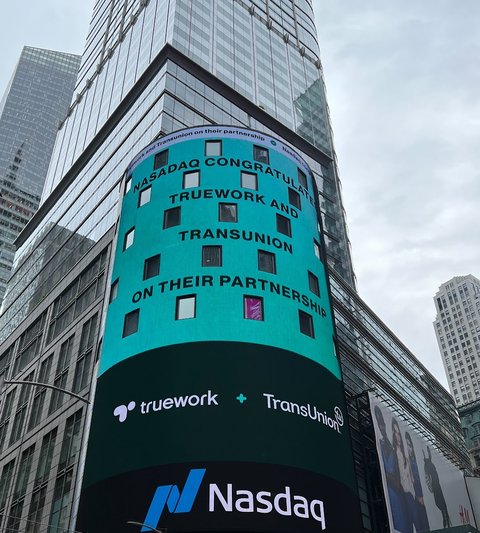
TransUnion partnership launch, Times Square
| Dimension | Started | Ended |
|---|---|---|
| Messaging | Generic: "Turnkey platform for digital transformation" | Matched to ICP: "Virtual inspections for warranty, insurance, and lending" |
| Website | Two different websites, 70% bounce rate | Unified journey: 4x demo requests |
| Pipeline | 5% marketing-sourced | 72% marketing-sourced |
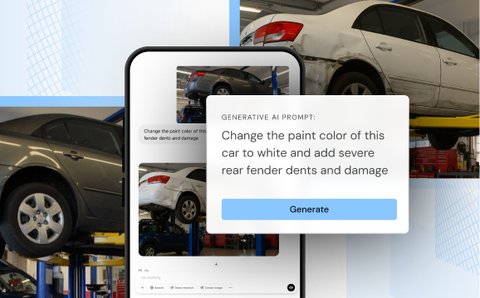
AI-edited photo faking vehicle damage on a warranty claim
AI changes the scale of what one marketer can ship. It doesn't replace the fundamentals — research, brand, and strategy still do the real work.
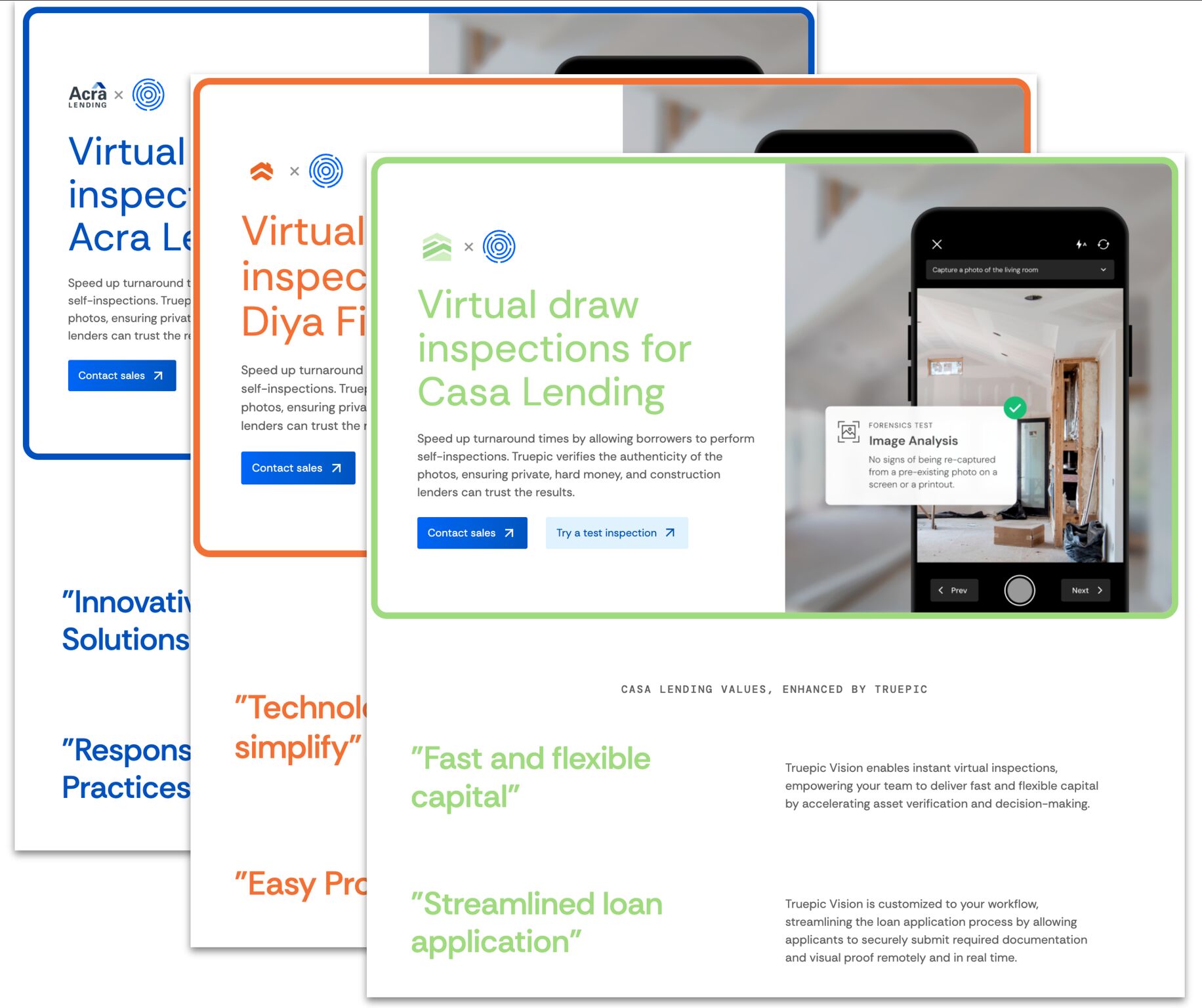
I used Clay and OpenAI to scrape each target account's own website, pull out their messaging and value propositions, then have AI map Truepic's value props against theirs. The result was hundreds of custom landing pages in each account's logo, colors, and language, showing exactly how Truepic's offering mapped to what that customer already cared about.
It worked because the AI output was grounded in real fundamentals: deep customer research and message-testing behind the value props, an existing brand and design system behind the visual polish, and a go-to-market team that used the pages strategically to engage prospects. The craft stayed the same. The scale changed.
View postWe built an AI-first marketing team at ID.me. I shipped the marketing plugin within the company GitHub repo, so any team could review content for alignment to the latest messaging and claims. It also generates on-brand slides and pre-screens content before legal review.
On top of that foundation, we automated other marketing workstreams: competitive analysis, weekly reporting, and case study generation. This enabled a small team to feed a sales org 10x the size.
This site was built with AI, too.
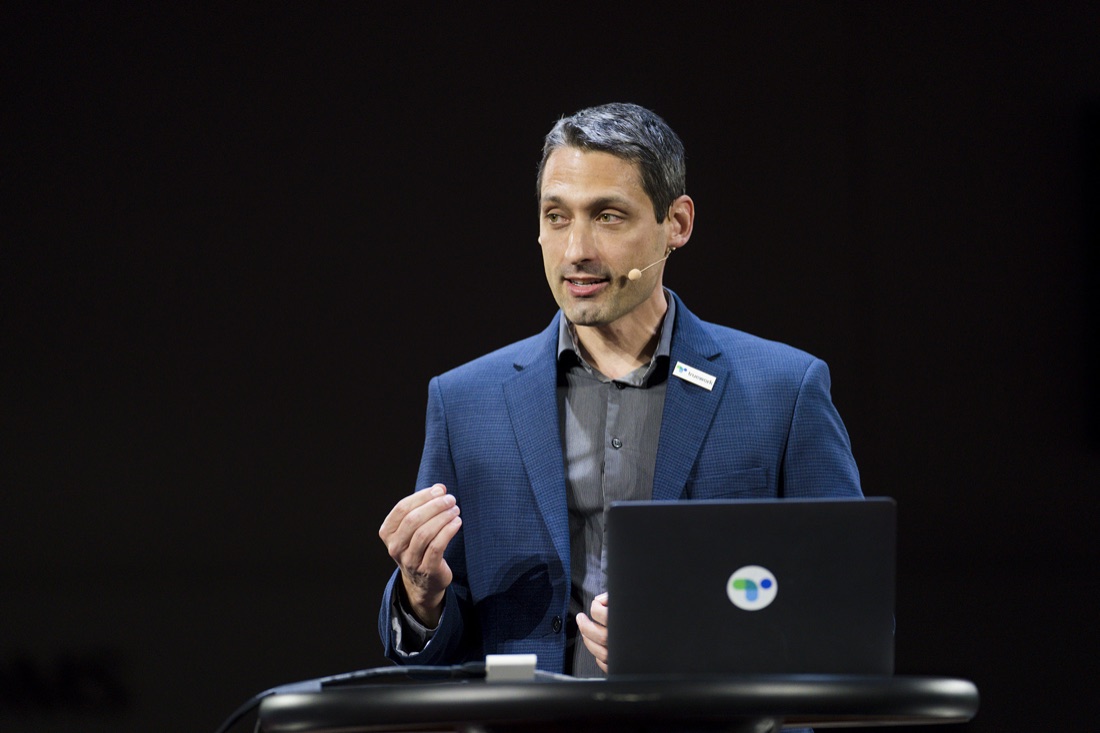
Keynotes and demos from fintech to AI.
I run marketing like an engineer runs a system: build it, instrument it, then tune it for pipeline and revenue.
Sales may miss quota or product may delay a launch, but no company milestone slips because of marketing. Daily "rocks," weekly snippets, and monthly OKR check-ins keep marketing initiatives on time and on target.
Every quarter I publish what the team will not do, alongside what it will. It stops scope creep and what Emily Kramer calls R.A.Ms (Random Acts of Marketing), and keeps a small team on the few bets that matter.
Messaging, strategy, and GTM roadmap are always driven by and tested with customers.
I've run every function, so I know what good looks like in each. But I look for the best operators in their domain to tell me how to reach our goals.
Two decades, three chapters: building the tech, launching it, then leading the function.
Completed an engineering rotation program, then founded a 10-person technical marketing team for mobile products.
Mobile, AI, cloud, and payments: dozens of product launches, developer marketing, and Director-level team leadership.
Building marketing capabilities for venture-backed startups: overhauling messaging and positioning and creating the growth engine.